The Lions Alliance / Museum Walking Quests
In Development Skeleton Key — In Testing

Puzzle Quests

Hand-built walking experiences for museums and heritage venues. Each one weaves a local legend into a route through the landscape — carried in the visitor’s hands by a bespoke physical prop. No app, no screen, no host required. Skeleton Key is first in build and testing now; Living Chronicle and Puzzle Lantern follow.

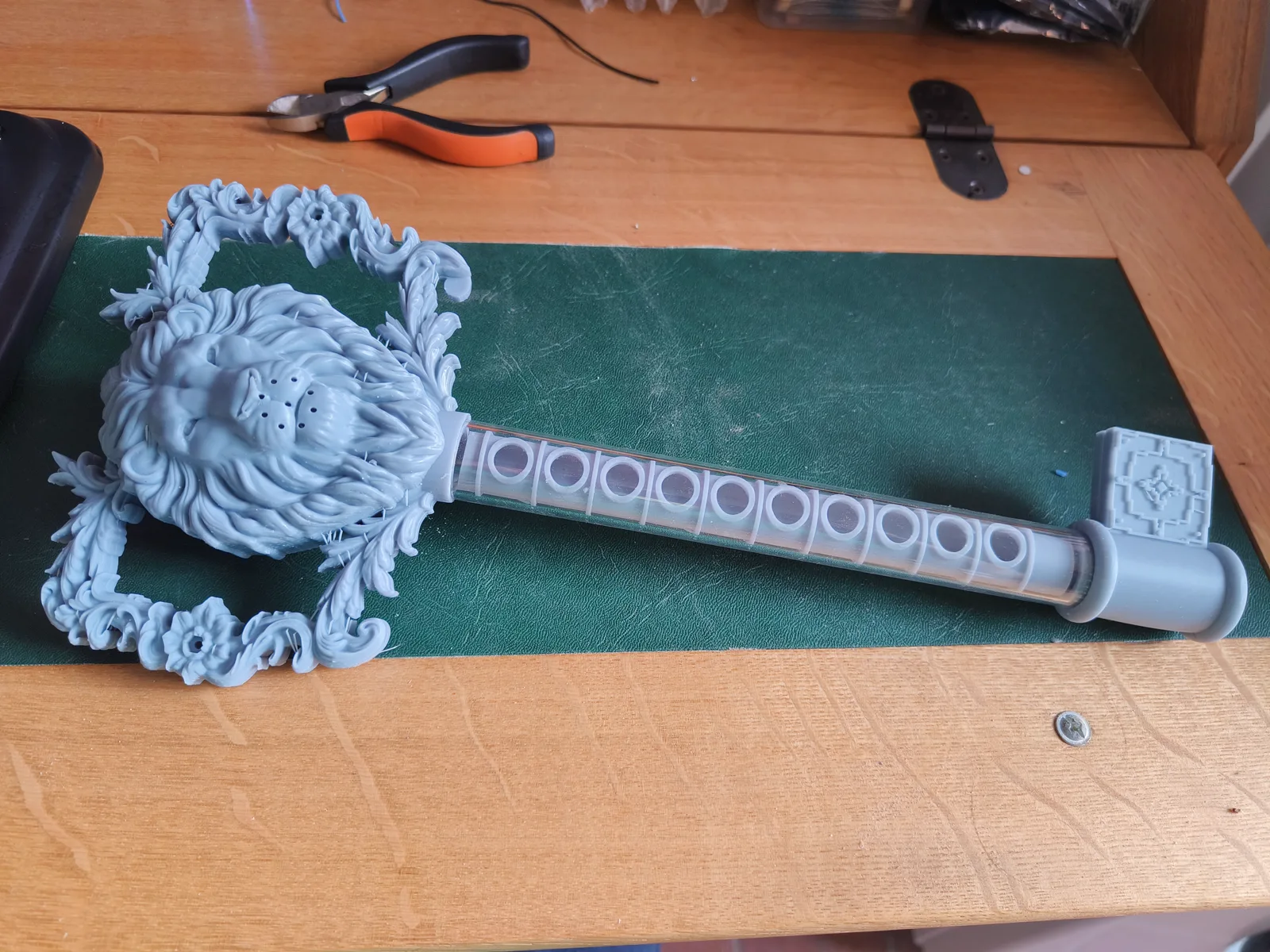
The real, hand-built Skeleton Key prop — a 3D-printed lion's-head brass key, in build
The Skeleton Key — the real prop, in build
The concept

A local legend, discovered on foot — no screens, no phones

Skeleton Key is a walking quest built around a real Meijel legend: in the 1730s, young men fled Prussian recruiters through the Peel, using a network of hidden safe-houses. Visitors carry a hand-built brass key that sends them out to rediscover that escape route for themselves. The key leaves the museum desk with them and grows more insistent as they near each hidden station along the way — until the story is complete and they return with their answer.

It’s being built in partnership with Heemkundevereniging Medelo, the local-history society behind Museum Medelo in Meijel — the same museum behind Medelotapps and Brief aan Jan Truijen. Skeleton Key is the first of three quests planned for the site; once it’s proven with real players, the same hardware and format adapt to Living Chronicle and Puzzle Lantern, and eventually to other venues.

  • VenueMuseum Medelo, Tomveld 2, Meijel
  • Heritage partnerHeemkundevereniging Medelo
  • Skeleton Key statusIn build & testing — trail run next
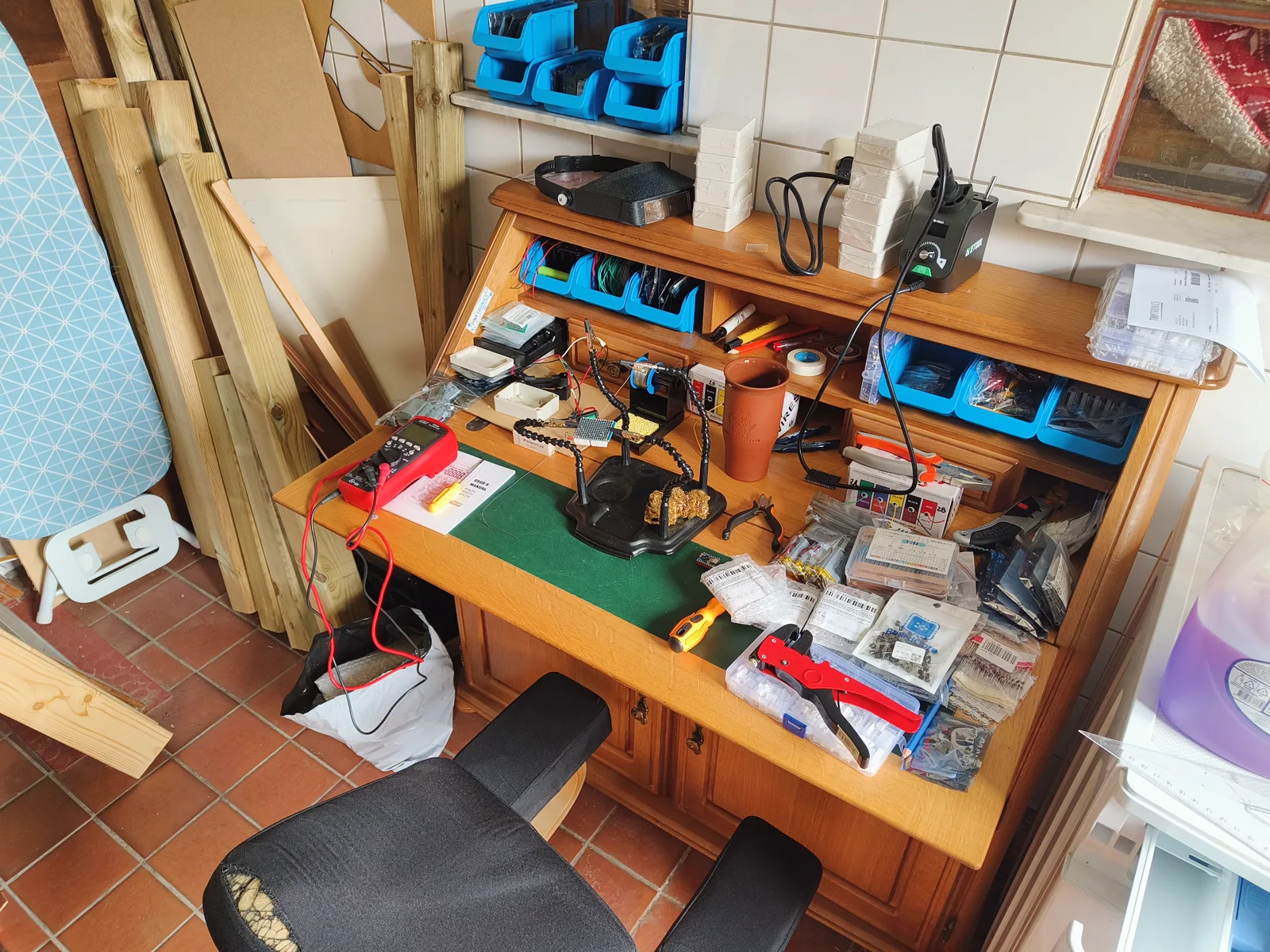
The Skeleton Key workbench, mid-build — tools, electronics, and parts bins, clearly still a work in progress
The workshop right now — still very much in progress
How it works

The visitor journey, in three beats

I
Collect the kit
At the museum desk: a prop, a booklet, a route notesheet, and a short briefing in the story. No app, no screen, no setup.
II
Walk the route
The route runs through the village and surrounding landscape. The prop responds at every station, revealing one more piece of the story.
III
Return to the desk
Visitors return with a completed booklet and the prop lit up with their progress. Staff verify, stamp the notesheet, and share an extra archival detail. The kit resets in under five minutes for the next group.
The quest

Skeleton Key, in build and testing

  • Difficulty★★★☆
  • Duration75–95 min
  • Distance~5 km
  • Group2–6
  • Age10+
  • MechanicChain of locks · radio proximity
Quest I · Skeleton Key In Build & Testing

De Vlucht door de Peel

Between 1713 and 1740, Prussian King Frederick Wilhelm I sent recruiters across the border to collect exceptionally tall young men for his elite Riesengarde. The men who fled used a secret network of safe-houses through the Peel. Those who made it to Meijel were free — they settled, married, and had tall children. This is documented as the reason Meijel has historically more tall men than its neighbouring villages.

The Skeleton Key is the warden’s master pass. Eight genuine lock-stations — hidden in tree trunks, mossy stones, and trail-posts along the route, invisible to a casual passer-by — pulse with light as the key senses each one via radio proximity. At each lock the key is physically turned, an NFC-scan triggers, and one more rune along its shaft glows through the aged brass. By the final lock all eight are lit, and the walker speaks the answer aloud at the museum desk — proof of passage, discovered entirely on foot.

What’s next

Two more quests, once Skeleton Key is proven

Living Chronicle — Het Pad van Dikke Mie
What’s Next
A self-writing leather chronicle that fills in as you walk a memorial route for a forgotten 18th-century vagrant. Prop build follows once Skeleton Key’s trail run validates the format.
Puzzle Lantern — De Schat van het Dolle Moer
What’s Next
A Victorian-style lantern that reveals UV-hidden clues at each station, decoded against a field journal. Same story family, still ahead of Skeleton Key in the build queue.
For your venue

The hardware is reusable. The story is the work.

What stays fixed

  • The prop hardware.
  • The puzzle framework.
  • The operating model.

What we design per venue

  • The story.
  • The booklet content.
  • The route.
  • The station object disguise.